
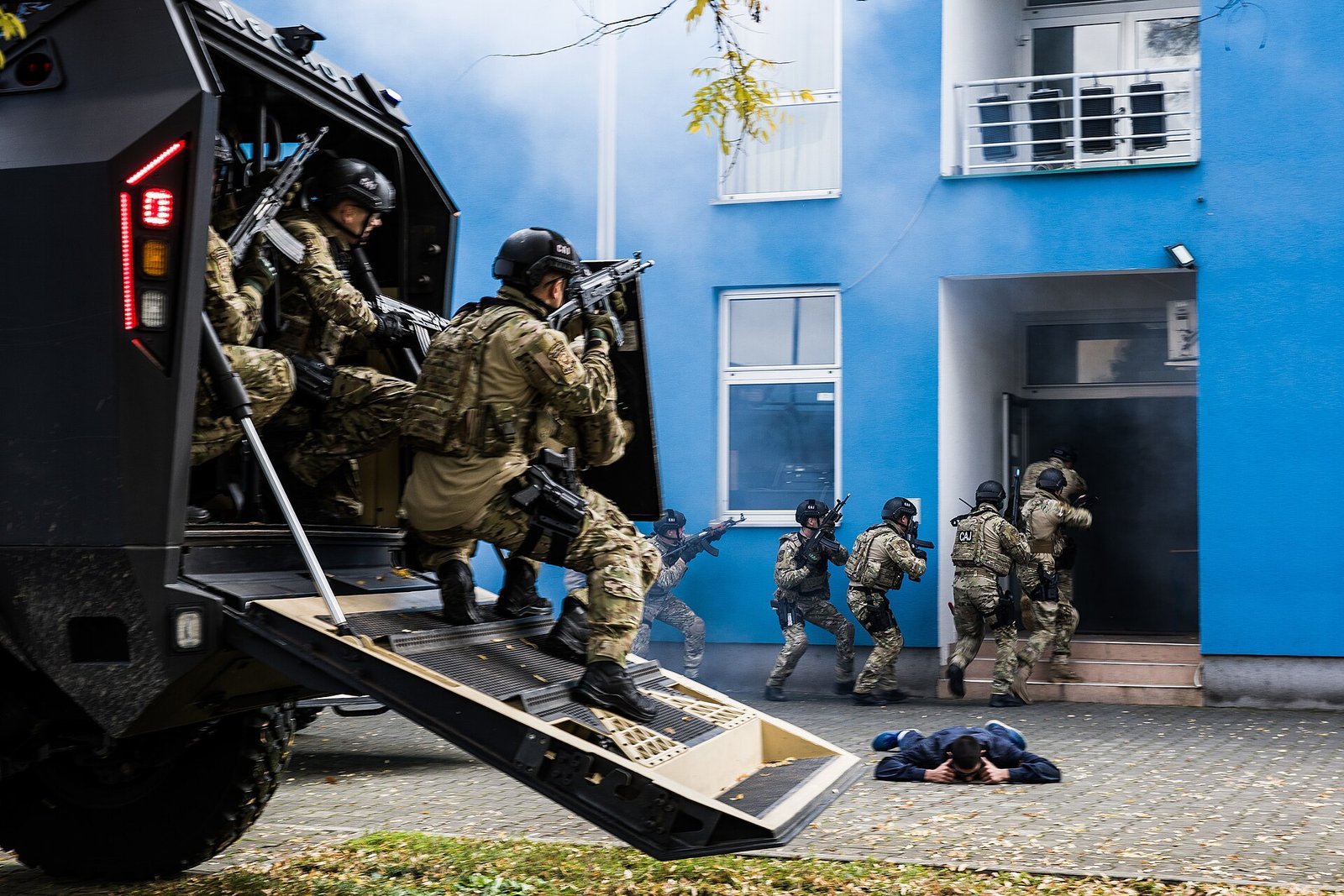
Some elements of terrorism never change, but technology, the climate crisis and proxy wars keep it evolving. The last article in the “Anatomy of Terrorism” series offers predictions for the future.
Terrorism has undergone many changes over time and has been shaped by different motives and methods. Yet we see that some elements, such as the use of terrorism fundamentally as a political tool and its psychological effect on individuals, have remained unchanged. At the same time, terrorism keeps evolving through dynamics such as technological progress, the declining significance of borders in a globalised world, and the concealment of involvement in state-sponsored terrorist acts.
How states approach terrorism in the framework of their strategic interests and their weighing of risk and reward is an important topic in international relations and regional dynamics. States’ tendency to give covert or overt support to terrorist groups causes serious problems in the eyes of international law and of societies.
Terrorism and the actions of state-backed organisations look set to remain one of the key elements of international politics in the near future. Proxy wars and proxy groups in particular will play an increasingly prominent role on the global stage.
Predicting the future is always difficult, but on the basis of the developments and trends we have observed so far, and without going into detail, we can make the following predictions:
- Technological advances: Digitalisation may increase cybersecurity risks and acts of cyberterrorism. This could make it easier for terrorists to reach wider audiences and cause greater damage.
- New battlefields: Space and cyberspace may become potential future arenas of war and terrorism. States and terrorist groups may compete for superiority in these new domains.
- Climate change and resource scarcity: Climate change may lead to scarcity of natural resources, which could give terrorist groups new motivations and greater support.
- More active state intervention: In the face of the growing threat of terrorism, states are likely to adopt more proactive and forward-looking counter-terrorism policies.
- Rise of proxy wars: Direct military conflict between great powers seems unlikely, or a very limited possibility, because of nuclear deterrence. This means states will be more inclined to use proxy groups to protect or expand their interests.
- Technologically equipped proxy groups: State-backed terrorist groups and proxy fighters will have little difficulty gaining access to modern technologies such as drones, cyberwarfare capabilities and advanced communications. We should conclude from this that these groups may increase their capacity and impact.
- Regional destabilisation[i]: Proxy wars may cause regional destabilisation, particularly in the Middle East, Africa and Central Asia. This has the potential to increase problems such as civil war, migration and humanitarian crises.
- Economic and information warfare: Proxy wars may be waged not only militarily but also in the economic and information domains. States can easily target rival states and societies through economic sanctions, propaganda and disinformation campaigns.
- Harder international cooperation: Proxy wars may weaken the international community’s capacity to respond to common threats. The effectiveness of international bodies such as the UN Security Council in particular may decline. Indeed, we saw examples of this, in part, in the Syrian civil war.
- The role of private military companies: It seems inevitable that private military companies will become a tool used by states or other actors in proxy wars. This means the commercialisation of war and the growing influence of non-state actors.
- Rise of urban conflict: Proxy groups will be trained to have tactics and strategies that can be effective in urban warfare. This trend will lead to more civilian casualties and great destruction of cities in any future conflict.
It appears that in the near future, proxy wars and the use of proxy groups will remain a key strategy for states to operate effectively on the international stage. This will require the international community and regional actors to develop new approaches and strategies to secure peace and stability.
The evolution of terrorism has been shaped by many factors over time, many of which are variable. Designing counter-terrorism measures with both the changing and the unchanging elements in mind, however, will help create a more effective and sustainable strategy. We can say this perspective is of critical importance in enabling the international community to respond more effectively to terrorist threats.
[i] “Destabilisation” refers to the act of creating instability in a region, country or system, upsetting its balance or making it unstable. It is generally used to describe instability resulting from the deliberate disruption of political, economic or social balances. The term is used especially often in the context of external powers or actors intervening in a country or region, interfering in its internal affairs and undermining its stability.
The views expressed in this article are the author’s own and do not necessarily reflect PUGAT’s institutional position. Editorial Principles
Monthly · free
Compass of the Month
PUGAT’s monthly newsletter.
Read next


What is PUGAT? A non-profit community publishing independent analysis from Europe on security, migration and society in Turkish, German and English.
Go to the homepage