
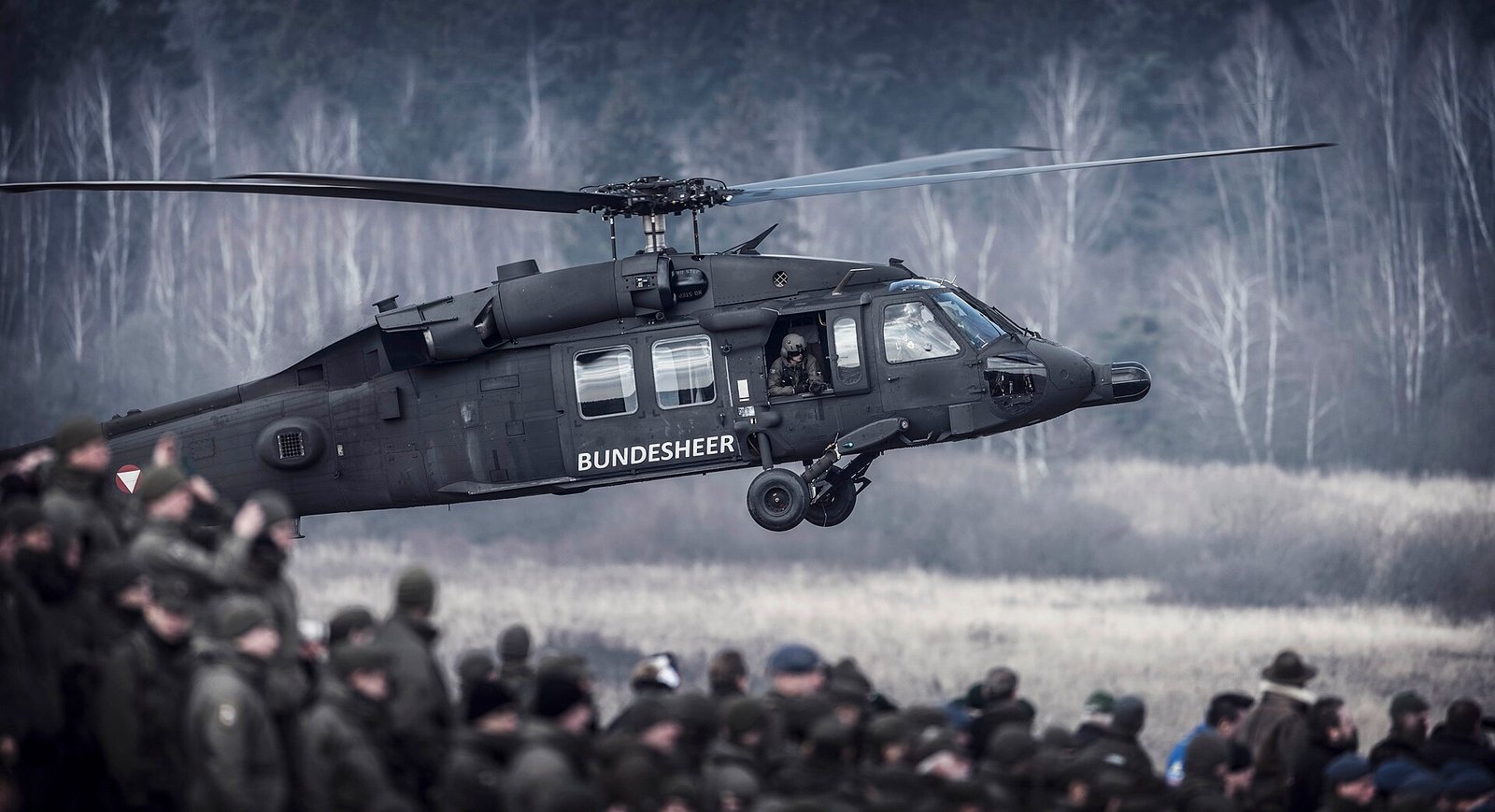
In November 2022, after the İstiklal Avenue attack, Turkey launched the Claw-Sword air operation in northern Syria and Iraq. The author questions the timing between the attacks and the operation.
Cross-Border Operations in Syria | 7
Operation Claw-Sword began on the night of 19–20 November 2022 as air operations against the YPG and PYD forces in Syria. The operation was announced on Twitter by the Ministry of National Defence with the statement “Time of reckoning! The villains are being held to account for their treacherous attacks!” The statement also stressed that, as regards the legitimacy of the operation, the right of self-defence arising from Article 51 of the UN Charter was being exercised and that terrorism was being fought with respect for the territorial integrity and sovereignty of Turkey’s neighbours.

Another Case of “If necessary, I’ll send four men to Syria and have eight missiles fired”
As will be recalled, the AKP government and its supporting press stated that the bomb attacks on the Mezitli police guesthouse in Mersin on 26 September 2022 and on İstiklal Avenue on 13 November 2022 had been carried out by the PKK and PYD. It was stressed that the terrorists in question had come from Syria by illegal means. The view is widespread that behind these incidents, which a great many people even in Turkey regard as “staged”, lies a new operation intended against Syria.
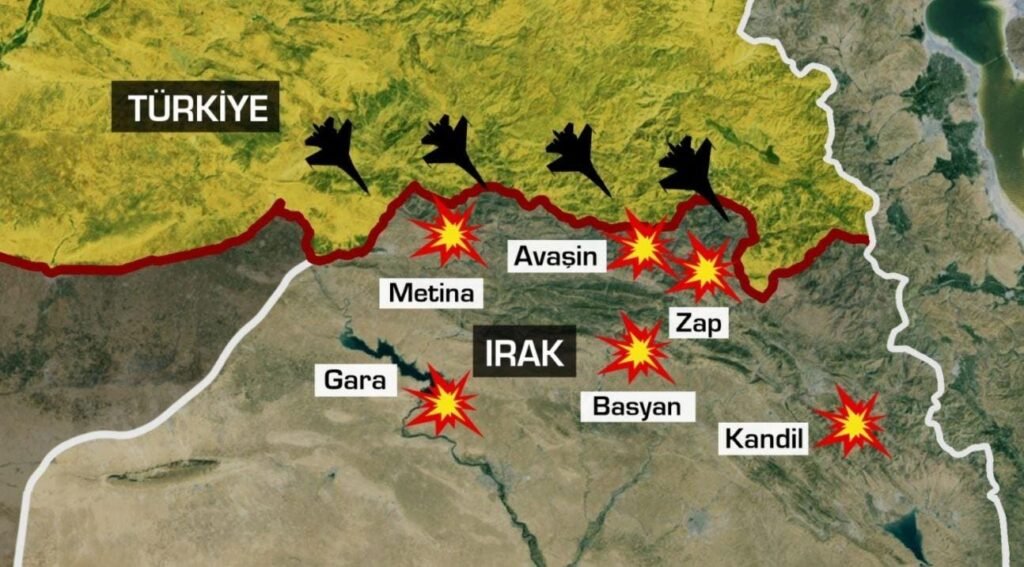
It is thought that the attacks were the product of the mindset “If necessary, I’ll send four men to Syria and have eight missiles fired” and were used as groundwork to convince opponents. It was already being said in some circles that, as in every election period, the AKP government was again planning a new cross-border operation. However, many countries, above all the US and Europe, oppose this. Especially since Assad began to regain his former strength and influence, the aim is to complete the process with a bloodless and softer transition. Every initiative that would reignite conflict in the region is opposed. That is why every new operation Turkey would launch is opposed.
Judging by the reactions to the air operations, the AKP government did not provide information about the operation and, more importantly, failed to convince world opinion of its legitimacy. The fact that the US expressed concern over the airstrikes and stated that it strongly opposed further military action, including a possible ground offensive, may be the footsteps of a new tension between Turkey and the US. Perhaps because the AKP government anticipated these reactions, some ministers and politicians made statements blaming the US and the West, especially after the İstiklal Avenue explosion.

Fighting Terrorism, or Harvesting Votes Again?
It is not yet clear when the ground operation will begin, or whether it will happen at all. According to pro-government media and politicians, it is likely to begin soon. The political leadership, which either does not know or does not care about the difficulties of conducting an operation in the winter months, will above all expect a possible operation to bring its share of the vote back to the desired level. Surely nobody can claim that the Turkish Armed Forces would want to rush into an operation at a time when adverse weather and climate are the dominant, constraining factors. This reluctance does not stem from a love of comfort, of course. But there is neither a commander in the current TSK leadership who would raise this objection out of concern for his soldiers, nor a political leadership able to assess events without pursuing political interests.
(To be continued)
The views expressed in this article are the author’s own and do not necessarily reflect PUGAT’s institutional position. Editorial Principles
Monthly · free
Compass of the Month
PUGAT’s monthly newsletter.
Read next


What is PUGAT? A non-profit community publishing independent analysis from Europe on security, migration and society in Turkish, German and English.
Go to the homepage