
From diesel smuggled across the Orontes to the “ISIS oil” footage released by Russia and Sedat Peker’s claims: oil smuggling on the Turkey–Syria route.
Turkey–Syria Criminal Links | 4
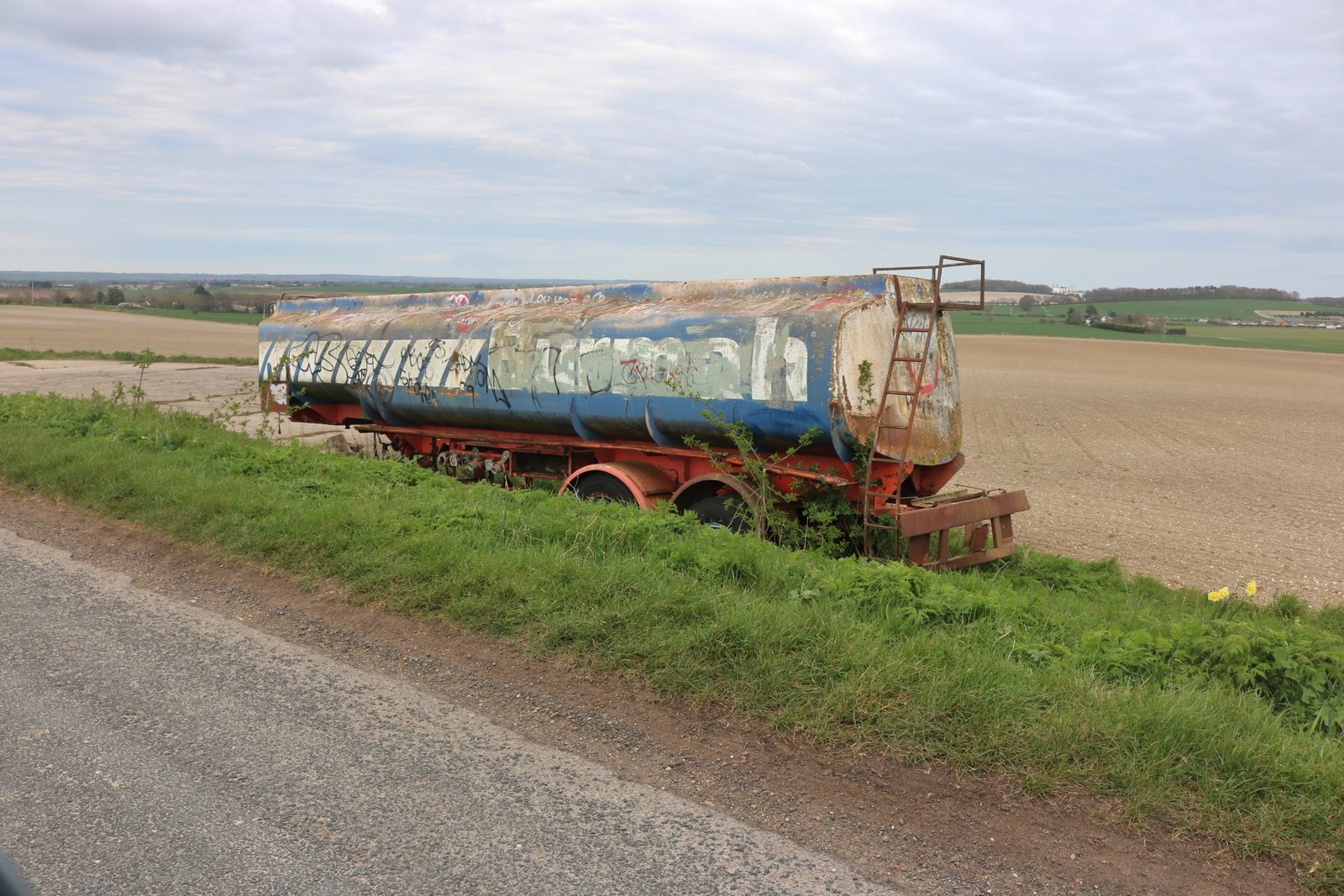
Oil smuggling between Syria and Turkey has drawn considerable attention from the international public, particularly in parallel with developments in Syria. Leading news agencies such as Reuters have run many stories on the subject for almost a decade. In 2013, for instance, Reuters filmed diesel being smuggled from Syria into Turkey across the Orontes (Asi) River. Medicines and food were being taken from Turkey into Syria across the same river.
In fact, during a gendarmerie raid on the village of Tanışma in Hatay targeting fuel smuggled from Syria into Turkey, the owner of a house where smuggled diesel was stored panicked and set the building on fire, and nine people lost their lives.

After all, this was a very profitable business, and on the Turkish side the oil could be sold at many times the price.
Today, Sedat Peker’s statement in a YouTube video that certain figures close to the regime in Turkey were engaged in commercial activities with Syria that included illegal crude oil brought to mind the footage of “ISIS oil being shipped to Turkey” that Russia released in 2015.
Claiming that anyone wanting to do business in Syria had to go to Metin Kıratlı, head of the Presidency’s Administrative Affairs Directorate, Sedat Peker said: “You will go to him. But I am not talking about deals of one or two truckloads. Smuggled crude oil, tea, sugar, aluminium, copper, second-hand cars… This is billions of dollars”.
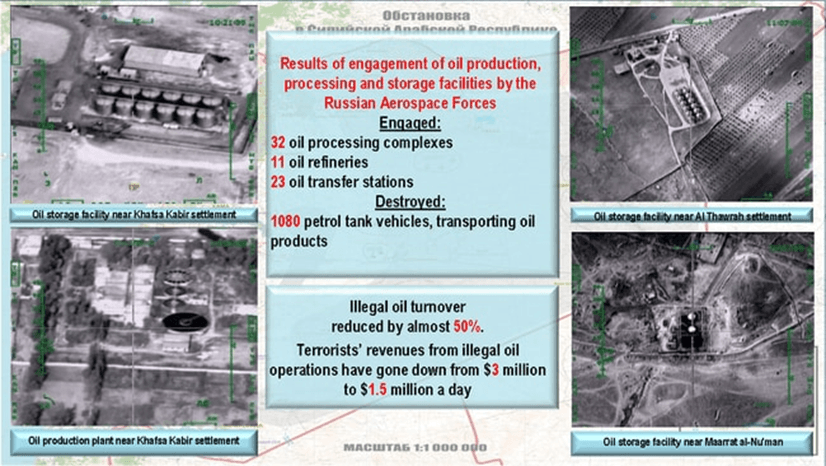
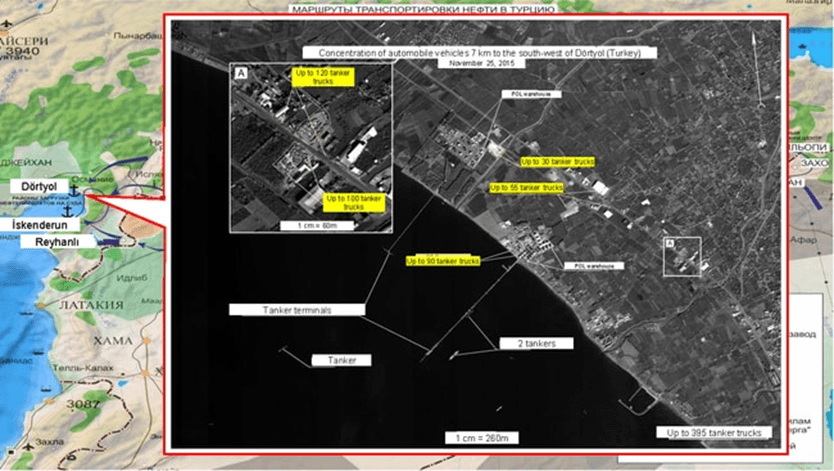
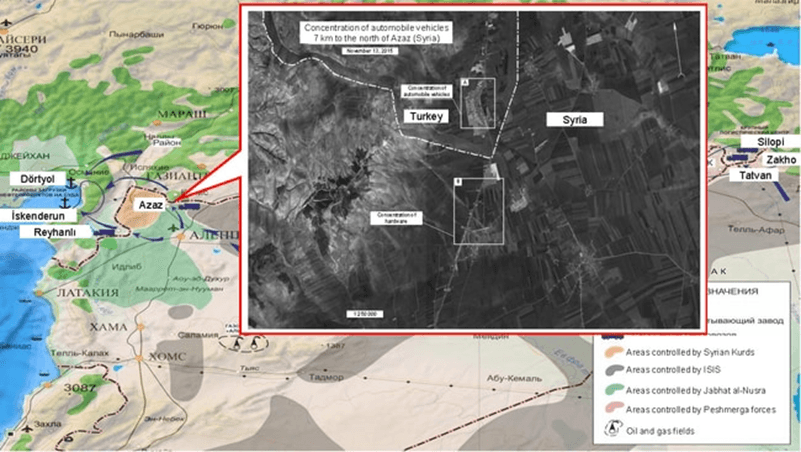
On 2 December 2015, the Russian Ministry of Defence had also announced that crude oil was being shipped to Turkey along three main routes from the areas of Syria and Iraq then under ISIS control, and had released aerial photographs and footage to the public.
Sedat Peker added another dimension to the issue by also setting out his claim about who pocketed the money earned from the illegal trade he described:
He argued that it went into the pockets of “5–10 families”. “That is how it is in Syria. Not a single lira from there comes to Turkey. Billions of dollars! Where does the money from that trade go? Murat Sancak, Ramazan Öztürk, Berat’s (Albayrak) team, and al-Nusra. It is clear that what I am saying is true.” None of these allegations against the persons named has been confirmed by any court ruling.
In its 2015 statement, the Russian Ministry of Defence claimed that President Erdoğan himself and his immediate family were involved in the “illegal shipment of ISIS oil”, and alleged that terrorist organisations alone earned 1.5 to 3 million dollars a day from this trade.
In many reports in the Russian press at the time, Russia accused President Recep Tayyip Erdoğan and his family of “trading oil directly with ISIS”. In the satellite map distributed by the Russian Ministry of Defence, vehicles said to be oil tankers can be seen travelling from the ISIS-controlled area into Turkey. According to the Kremlin, the trucks went to three locations in Turkey, including refineries, and then on to a third country. Russia said it had disclosed only part of the evidence it held.
Some of the photographs that Russia distributed to the press in its official statements as the basis for its claims are the following:



Meanwhile, although oil smuggling is carried out on a very large scale in the Syrian region, very primitive methods are used. The Euphrates, for example, part of which runs through Turkey, is sounding the alarm as oil smuggling in Syria rapidly increases. Reports that parts of the Euphrates had begun to run black because of oil smuggling caused by instability and the collapse of authority also appeared in the media.
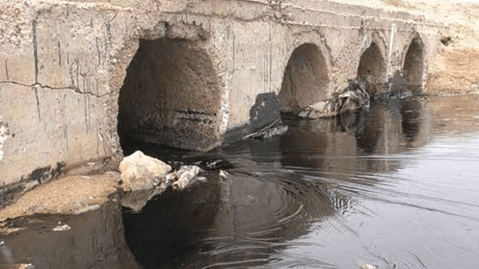
According to a report by the US-based Middle East publication Al-Monitor, the Euphrates, the longest river in Western Asia and once the main source of drinking water for the provinces of Syria’s al-Jazira region, faces a real disaster because of the rising levels of pollutants in its water.
What is implied and alleged both by Russia and by the opposition at home is that members of the ruling power and their relatives take a share of this smuggling or are directly involved in it. However, there is no final court ruling on the matter.
The views expressed in this article are the author’s own and do not necessarily reflect PUGAT’s institutional position. Editorial Principles
Monthly · free
Compass of the Month
PUGAT’s monthly newsletter.
Read next

What is PUGAT? A non-profit community publishing independent analysis from Europe on security, migration and society in Turkish, German and English.
Go to the homepage